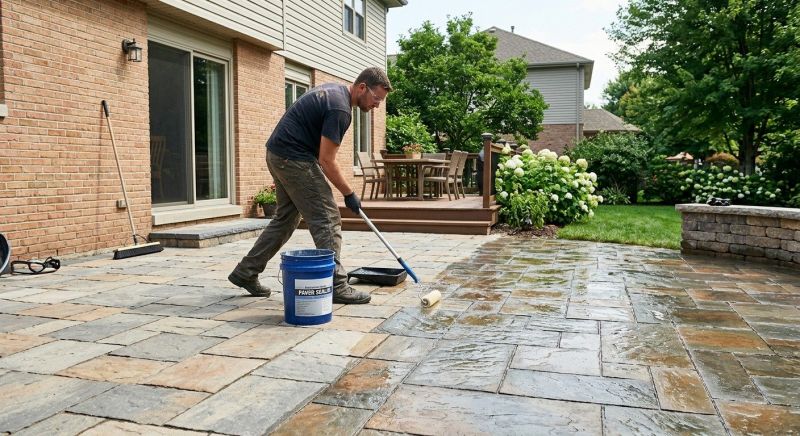
Terrace Sealing in Seattle, WA
Terrace sealing services involve applying a protective coating to outdoor terrace surfaces to help prevent damage from moisture, UV rays, and everyday wear. This service is suitable for various types of terrace materials, including concrete, stone, and pavers, and is often requested for projects aiming to extend the lifespan and appearance of outdoor living areas. Property owners typically seek terrace sealing to reduce the risk of cracking, staining, and surface deterioration, especially in climates with frequent rain or temperature fluctuations.
Before requesting terrace sealing, property owners usually want to understand the condition of the existing surface and whether any repairs are needed prior to sealing. It’s also important to consider the type of sealant used, its suitability for the specific material, and the recommended maintenance to ensure long-lasting results. Proper preparation and choosing the right sealing product can help maintain the terrace’s appearance and functionality over time.
Many property owners in Seattle, WA look into Terrace Sealing for repairs, replacements, upgrades, and appearance-related improvements.
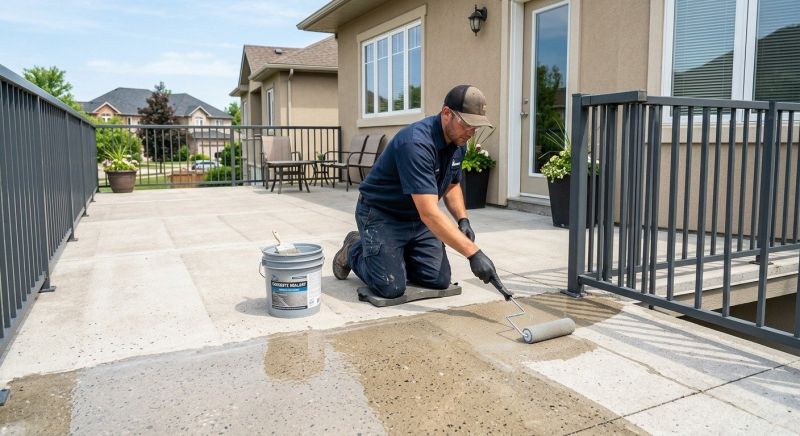
Benefits Of Terrace Sealing
Sealing terraces helps protect surfaces from water damage and extends their lifespan.
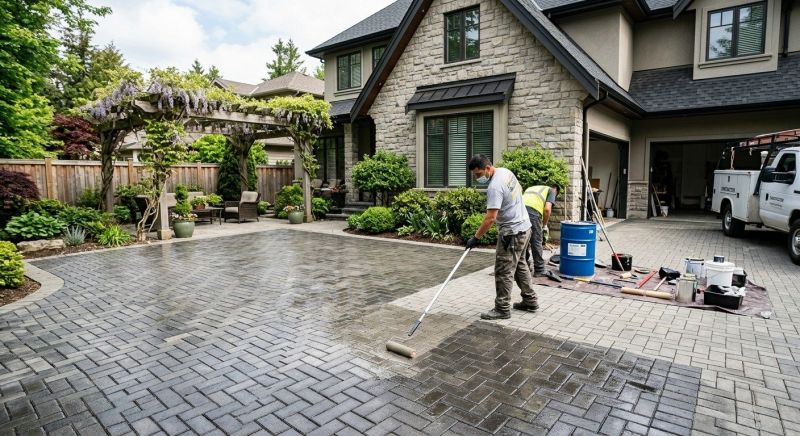
Common Terrace Sealing Projects
Many property owners in seattle seek sealing for outdoor patios, rooftop decks, and balcony surfaces.
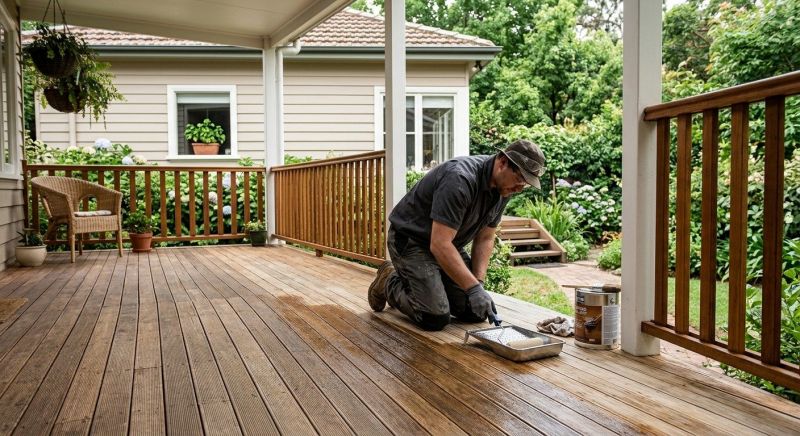
Choosing The Right Sealant
Selecting the appropriate sealant depends on terrace material and exposure to weather conditions.
Terrace Sealing in Seattle, WA
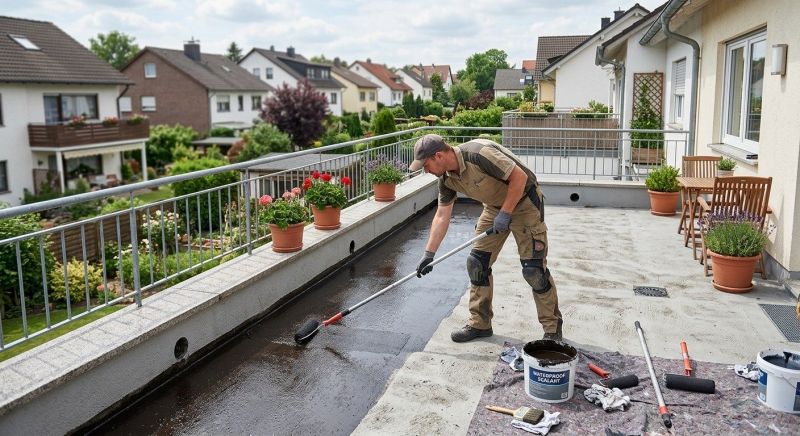
Terrace sealing services involve applying a protective coating to outdoor terrace surfaces to help prevent damage from moisture, UV rays, and everyday wear. This service is suitable for various types of terrace materials, including concrete, stone, and pavers, and is often requested for projects aiming to extend the lifespan and appearance of outdoor living areas. Property owners typically seek terrace sealing to reduce the risk of cracking, staining, and surface deterioration, especially in climates with frequent rain or temperature fluctuations.
Before requesting terrace sealing, property owners usually want to understand the condition of the existing surface and whether any repairs are needed prior to sealing. It’s also important to consider the type of sealant used, its suitability for the specific material, and the recommended maintenance to ensure long-lasting results. Proper preparation and choosing the right sealing product can help maintain the terrace’s appearance and functionality over time.
Many property owners in Seattle, WA look into Terrace Sealing for repairs, replacements, upgrades, and appearance-related improvements.
Common Terrace Sealing Jobs
Terrace Sealing - Protects wooden or concrete terraces from water damage and weathering.
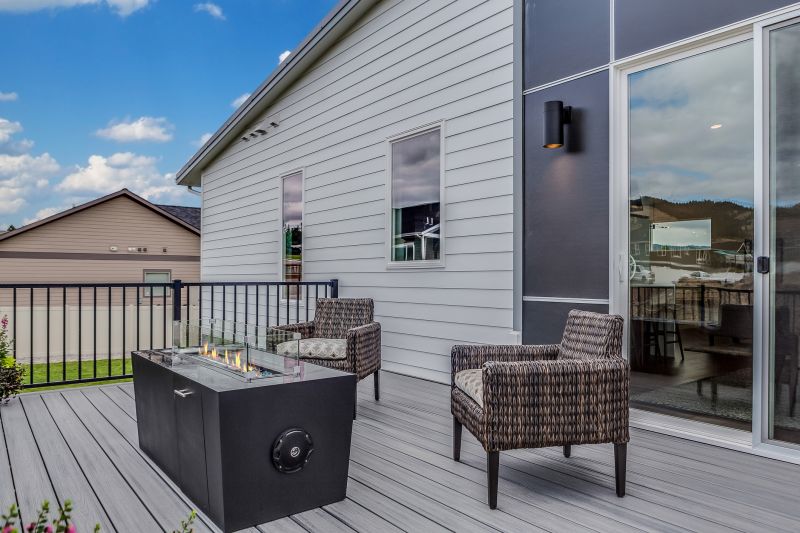
Deck Sealing - Enhances the durability of outdoor decks against moisture and UV exposure.
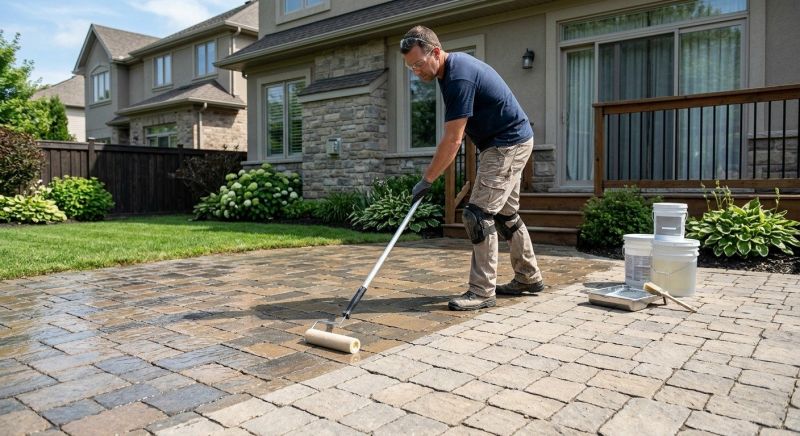
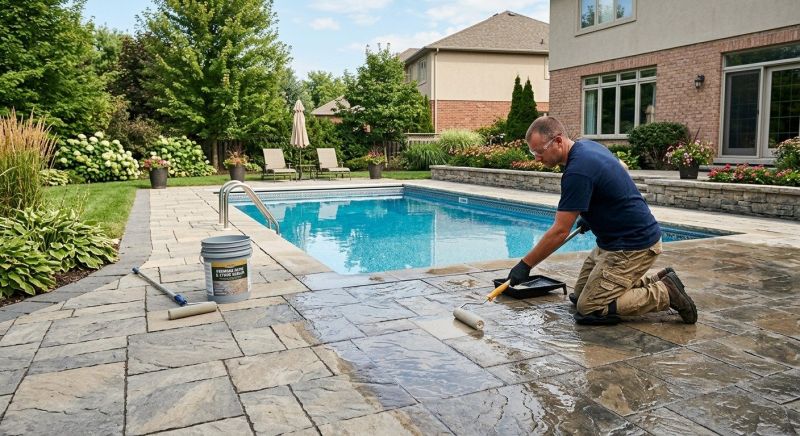
Patio Sealing - Seals pavers and concrete surfaces to prevent staining and erosion.
Balcony Sealing - Ensures balconies are waterproofed to maintain safety and integrity.
Outdoor Living Area Sealing - Preserves the appearance and longevity of outdoor entertainment spaces.
Surface Restoration - Restores and seals aged or worn terrace surfaces for improved protection.
Terrace Sealing Questions
What is terrace sealing? Terrace sealing involves applying a protective coating to surfaces like concrete or wood to prevent damage from moisture, stains, and wear.
What types of terraces benefit from sealing? Both residential and commercial terraces made of concrete, stone, or wood can benefit from sealing to enhance durability and appearance.
How often should a terrace be resealed? The frequency depends on the material and exposure, but typically resealing is recommended every 1 to 3 years to maintain protection.
What are common reasons to seal a terrace? Sealing helps prevent water infiltration, reduces staining, and extends the lifespan of the terrace surface.
Request Terrace Sealing in Seattle, WA
Use the quote form on this page to share the basics of your project and request more information for the type of work you need.